graphene nanotechnology 2019 Meeting & Hospitality
Address
Hotel- ANA Crowne Plaza Narita, Address 68 Horinocuhi,Narita-shi, Chiba 286-0107 Japan
The City
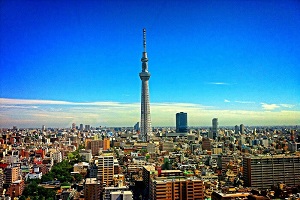
Tokyo is Japan's capital and the most populous metropolis across the world. This city is also one of Japan's 47 prefectures, consisting of 23 central city wards and multiple cities, towns and villages west of the city center. The Izu and Ogasawara Islands are also part of this city and has an aggregate land zone of 2187.42 square km. The Greater Tokyo Area is the most populous metropolitan territory all over the world. Tokyo is the seat of the Emperor of Japan. Tokyo has 39 million residents, half a greater number of individuals than some other urban region, with a $2.5 trillion economy bigger than any other city.
Tourist Attraction :
Today, Tokyo offers a seemingly unlimited choice of shopping, entertainment, culture and dining to visitors. The city's history can be appreciated in districts as follows, Asakusa and in many excellent museums, historic temples and gardens. The contrary to common perception, Tokyo also offers a number of attractive green living beings in the city center and within relatively short train rides at its outskirts. The cultural aspect of Tokyo is famous for its numerous museums; theaters; festivals; internationally noted cuisine; and professional sports clubs, including baseball, football (or soccer), along with traditional Japanese pursuits like Sumo Wrestling. Tokyo is also a city that rich in music and theater, with numerous venues featuring everything from Japanese to modern dramas, symphony orchestras, and pop and rock concerts.
There are many tourist attractions in Tokyo and surely that could keep a guest busy around a little while! On your visit, you can explore places, such as, the Meiji Jingu Shrine, the stunning Ueno Park, the shopping and entertainment area of Roppongi, the Tsukiji Fish Market which is the biggest fish market all over the planet, the intriguing Tokyo National Museum and the lavish Tokyo Imperial Palace. The Tokyo Tower to its perception deck from where you will get the chance to see stunning panoramic views of the city. And who can forget Disneyland?! In the event that you are visiting the city with your children, a visit to Disneyland of Tokyo is an absolute necessity. The other places of interest are the exhibition halls Edo-Tokyo Museum, Ghibli Museum, Subway Museum, National Museum of Nature And Science and the Mori Art Museum,the Ueno Zoo and the Shinjuku Gyoen National Garden, the Rainbow Bridge and also the Sony Building shopping complex, the Asakusa District, the Sensoji Temple and the Zojo-Ji sanctuary.
Atmosphere :
The atmosphere of Tokyo is temperate, with fairly mild and sunny winters, and hot, humid and rainy summers. Like the rest of Japan, the city is affected by the monsoon circulation: in winter the northwest cold currents will prevail, while in summer they will be replaced by hot and humid currents of the tropical region. The city overlooks the sea, in the bay of the same name. Given the relatively less latitude and the protection of the mountains, in winter the currents of Siberian origin are felt little, so there are several sunny days, and usually it's not very cold; however, cold and windy periods, with highs around 5/7 °C (41/45 °F) or less and possible snowfalls, can’t be ruled out. Anyway, night frosts are rare and usually the light. In summer, hot and muggy periods, with sunshine, highs around 35 °C (95 °F), tropical nights and high humidity, alternate with periods of bad weather, with stormy rain, and sometimes (especially in June and July) nights are quite cool. The rains in Tokyo are abundant, as they amount to 1,500 millimetres (60 inches) every year; winter is undoubtedly the driest season; in Tokyo, the rainiest months are September. In August there is a decrease in rain frequency: among the summer months, it is on mid-range, as well as the hottest, the driest and sunniest. The amount of sunshine in Tokyo is best in winter (considering that the days are shorter), while it is barely decent in than the other seasons, due to disturbances in spring and fall and the summer monsoon.
Directions